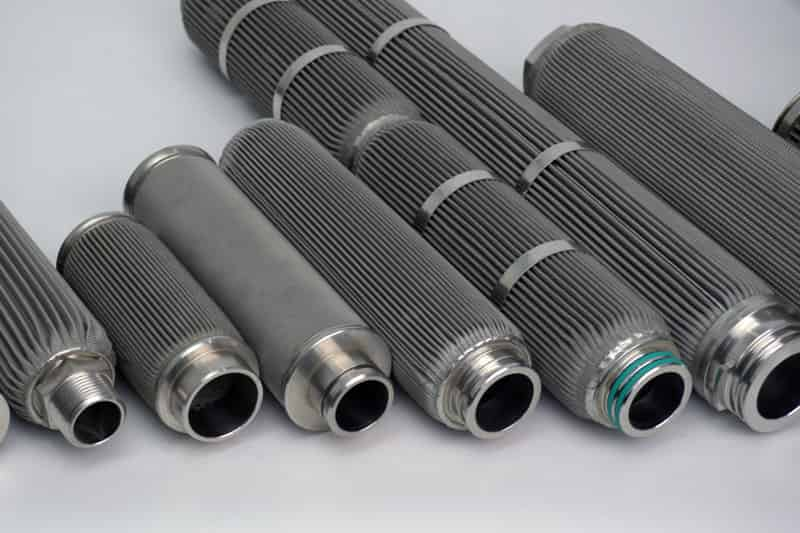
In modern industrial systems, oil contamination control has evolved from simple maintenance to a strategic necessity. In this field, Triple R filters, renowned for their multi-stage filtration structure and bypass filtration technology, have earned global recognition. This article dives deep into the core principles of Triple R filters, analyzes their key technical advantages, and compares them with compatible alternatives in real-world applications—offering a holistic, efficient, and sustainable approach to filtration management.
1. Filtration Principle: Multi-Stage Deep Purification Mechanism The foundation of Triple R filtration lies in a three-stage precision filtration concept:
Pre-Filtration Layer Captures large contaminants (>10μm) and reduces the load on downstream media.
Main Filtration Layer Uses natural or synthetic fiber elements, typically wound or pleated, to achieve deep filtration with fine accuracy (as low as 1–3μm).
Dehydration & Oxidation Control Layer Removes water, sludge, and oxidation by-products from oil through absorption or separation—effectively controlling varnish formation.
✅ This structure allows Triple R filters to extend oil life, reduce varnish-related failures, and improve overall equipment reliability.
2. Technical Highlights: Why Triple R Is the Go-To for Oil Purification Technical Parameter Triple R Features Benefits Filter Media Special cellulose + polymer layer Simultaneously removes particles, water, and oxidants Filtration Mode Bypass filtration Doesn’t affect system pressure or flow Installation Options Offline, mobile, return-line filtration Adaptable to any system layout Varnish Control < 5mg/kg varnish removal capability Meets turbine and wind power oil cleanliness standards
3. Real-World Applications: From Wind Turbines to Steel Plants ✔ Case 1: Wind Turbine Gearbox Lubrication Triple R’s VRU units are deployed for online varnish removal, extending oil change intervals from 6 months to 24 months.
✔ Case 2: Central Lube Station in a Steel Plant A steel mill faced frequent pump failures and high oil change costs. After adopting Triple R filters, particle count dropped to NAS 5–6, varnish levels decreased by 50%, and component lifespan improved by 30%.
4. Compatible Alternatives: The Rise of Localized High-Performance Filters With the growing demand for cost-effective and fast-delivery filtration solutions, manufacturers like SINFT have developed fully compatible replacements for Triple R filters, offering the following advantages:
One-to-one replacements for TR, BYP, VRU models
Advanced anti-static fiber and nano-level dehydration layers
Certified with CE, ISO9001, and differential pressure testing
Lead time shortened to 5–7 days, with cost savings of 40–60%
� These replacements offer not only a price advantage but also competitive delivery timelines, technical adaptability, and inventory readiness.
5. Conclusion: Building a Truly Sustainable Oil Management System Triple R represents more than just a filter—it promotes a philosophy: don’t change the oil, purify it. Through deep filtration, it maximizes oil and equipment life. And with the technological rise of high-quality compatible alternatives, businesses now have the opportunity to secure system stability while reducing costs and ensuring supply continuity.
For users in wind power, metallurgy, machining, injection molding, and more, selecting the right filter partner is a critical step toward smarter, more reliable, and more sustainable operations.