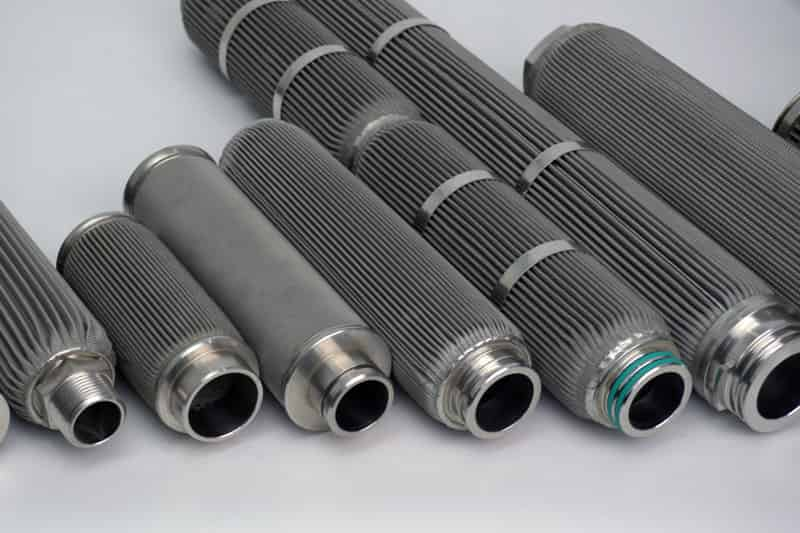
In the power system, the transformer, as a core device, is crucial for safe and stable operation. Transformer cooling oil not only plays a vital role in cooling the transformer windings and core but also has important functions such as insulation and arc - extinguishing. However, with the long - term operation of the transformer, the cooling oil will inevitably become contaminated. Impurities such as water, solid particles, and dissolved gases can mix in, seriously affecting the performance of the cooling oil and threatening the normal operation of the transformer. Therefore, using an oil filter machine to purify the transformer cooling oil is essential to ensure the reliable operation of the transformer. Different types of transformer cooling oil have specific and strict requirements for oil filter machines. A deep understanding of these requirements is of great significance for the correct selection and use of oil filter machines.
Requirements for Filtration Precision
Types and Hazards of Impurities
During the operation of transformer cooling oil, various solid impurities, such as metal shavings (resulting from the wear of internal components of the transformer), dust particles (entering through the breather, etc.), and decomposition products of insulating materials, can mix in. The presence of these impurities greatly affects the insulation performance of the cooling oil. Tiny particles may form conductive channels under the action of an electric field, reducing the breakdown voltage of the oil and increasing the risk of electrical failures in the transformer. For example, metal shavings may scratch the insulation layer, causing a short - circuit; impurities like dust can also accelerate the aging process of the oil and reduce its service life.
Requirements for High - Precision Filtration
To effectively remove these harmful impurities, the oil filter machine must have high - precision filtration capabilities. Generally, for the filtration of transformer cooling oil, the oil filter machine should be able to filter out impurity particles with a particle size of 1 - 5μm or even smaller. This requires the oil filter machine to adopt advanced filtration technologies and high - quality filter materials, such as polymer variable - pore - size filter media. The fibers and pores of this filter media gradually decrease in the direction of oil flow, enabling hierarchical filtration of impurities of different particle sizes, greatly improving the dirt - holding capacity and filtration precision. It ensures that the cleanliness of the filtered oil reaches NSA6 level or higher, effectively guaranteeing the insulation performance and overall quality of the transformer cooling oil.
Requirements for Water and Gas Removal Capabilities
Sources and Hazards of Water and Gases
Water can enter the transformer cooling oil through various channels, such as poor sealing of the transformer allowing external moisture to invade, or the generation of water due to internal faults in the transformer (such as local overheating causing the decomposition of insulating materials). The sources of gases include the decomposition of oil under high - temperature and high - electric - field conditions, as well as the air entering through the breathing process. The presence of water significantly reduces the insulation strength of the cooling oil and accelerates the oxidation and aging process of the oil. Dissolved gases in the oil, especially fault - characteristic gases such as hydrogen, methane, and acetylene, not only affect the insulation performance of the oil but may also be a sign of latent faults inside the transformer. If not removed in time, it may lead to serious electrical accidents.
Efficient Water and Gas Removal Technologies
The oil filter machine needs to adopt efficient water and gas removal technologies to address these issues. Commonly, the principle of vacuum negative pressure is utilized, and a compound three - dimensional vacuum separator is used to greatly increase the vacuum separation area. Inside the vacuum separator, the oil mist undergoes atomization, film formation, and gasification processes through the film atomizer and spraying device. This allows the oil molecules and water molecules to fully contact in a high - vacuum environment and obtain sufficient vaporization and separation time, enabling the full removal of water and gases. Some advanced oil filter machines also adopt coalescence separation technology, such as coalescence separation filter elements made of polymer water - absorbing materials. Combining with American coalescence separation technology, they achieve binary primary water removal, which can quickly and effectively break emulsification and remove a large amount of free water in the oil without damaging the chemical and physical properties of the oil. Compared with traditional glass fiber cotton demulsification, it has the advantages of high water removal efficiency, no caking, and no secondary pollution to the oil. For gas removal, a two - stage vacuum system with a large pumping rate can greatly improve the vacuum environment inside the tank, achieving a high vacuum level with an ultimate vacuum ≤ 5Pa and an operating vacuum ≤ 35Pa. This can effectively remove trace gases dissolved in the oil, improving the insulation strength and quality of the oil.
Requirements for Materials and Compatibility
Requirements for Corrosion Resistance During the operation of transformer cooling oil, acidic substances may be generated due to aging or reactions with other substances. In addition, when there are local discharge and other faults inside the transformer, corrosive components may also be produced in the oil. Therefore, the parts of the oil filter machine that come into contact with the cooling oil, such as the pipes of the filtration system, filter elements, and vacuum separators, must be made of corrosion - resistant materials. For example, 304 stainless steel ball valves can be used for the ball valves in the oil flow part, and stainless steel materials can be used for the primary and secondary filters in the filtration system. These materials can effectively resist the erosion of acidic substances and other corrosive components, ensuring the long - term stable operation of the oil filter machine in harsh oil quality environments and preventing the impact on the filtration effect or even damage to the oil filter machine due to material corrosion. Compatibility with Cooling Oil The materials used in the oil filter machine not only need to be corrosion - resistant but also must have good compatibility with the transformer cooling oil. This means that the materials of the oil filter machine should not react chemically with the cooling oil to avoid changing the chemical and physical properties of the cooling oil. For example, the filter element materials should not release harmful substances into the oil to prevent secondary pollution of the cooling oil. At the same time, the sealing materials of the oil filter machine should also be compatible with the cooling oil to prevent leakage caused by the dissolution or expansion of the sealing materials by the oil, which may affect the normal operation of the oil filter machine and the purification effect of the cooling oil. When selecting an oil filter machine, it is necessary to fully consider its compatibility with different types of transformer cooling oil to ensure that the oil filter machine can safely and effectively purify the cooling oil.
Requirements for Heating and Temperature Control
Necessity of Heating
Appropriately increasing the temperature of the transformer cooling oil helps improve the water and gas removal efficiency of the oil filter machine. On the one hand, an increase in temperature can reduce the viscosity of the oil, making it easier for water and gases in the oil to separate. On the other hand, for some oil filter machines that use the principle of vacuum evaporation for water and gas removal, heating can provide the required energy for the vaporization of water and gases, accelerating the separation process. For example, when using a vacuum oil filter machine, raising the oil temperature to a certain level (usually between 50 - 80°C) can significantly increase the removal rate of water and gases and improve the working efficiency of the oil filter machine.
Requirements for the Temperature Control System
The oil filter machine must be equipped with an accurate and reliable temperature control system. First, the heating system should be safe and reliable, with safety protection devices to prevent dry heating of the heating system without oil. At the same time, the heating system should be interlocked with the vacuum system and oil discharge system for three - in - one protection to avoid damage to the equipment due to excessive oil temperature. Second, an interval control method should be adopted to avoid frequent starting of the contactor when the oil temperature reaches the set value, maximizing the service life of the electrical appliances. Third, the oil temperature should be adjustable arbitrarily within the range of 20 - 80°C and achieve constant - temperature heating to adapt to different oil filtering conditions and characteristics of the cooling oil. For example, in winter when the temperature is low, it may be necessary to heat the oil temperature to a higher range to improve the oil filtering efficiency; while in summer or for some cooling oils that are more sensitive to temperature, the oil temperature may need to be controlled at a lower level. In addition, according to different climates, the oil filter machine should be equipped with both automatic and manual heating modes for the operator to choose from, to meet different usage requirements and environmental conditions.
Requirements for Safety Protection
Multiple Protection Mechanisms
During the operation of the oil filter machine, there are certain safety risks due to the involvement of electrical equipment, high - temperature components, and high - pressure environments (such as the vacuum system). Therefore, a complete set of safety protection mechanisms must be available. For example, it should be equipped with overload protection devices. When the load of the oil filter machine motor exceeds the rated value, the power supply is automatically cut off to prevent the motor from burning out; overpressure alarm and shutdown protection devices. When the internal pressure of the system exceeds the set safety pressure, an alarm signal is issued and the equipment stops running to avoid equipment damage or even explosion caused by excessive pressure; oil - shortage protection devices. When the oil level inside the oil filter machine is too low, operations such as heating and oil pumping are automatically stopped to prevent damage to the equipment due to dry heating or idling; oil - spraying protection devices. To prevent oil from spraying out due to abnormal pressure during the oil filtering process, causing safety accidents; phase - sequence protection devices. To ensure that the motor runs in the correct phase sequence and avoid damage to the equipment caused by the reverse rotation of the motor due to incorrect phase sequence. In addition, when filtering oil with electricity, the oil filter machine and oil pipes should be reliably grounded, and metal pipes should be used instead of rubber hoses that are not resistant to oil for connection to prevent the accumulation of static electricity and electric leakage accidents.
Fire and Explosion Prevention Measures Since transformer cooling oil is a flammable liquid, during the oil filtering process, there is a risk of fire and explosion if it encounters an open flame or high temperature. Therefore, strict fire and explosion prevention measures should be taken for the oil filter machine. The oil filter machine should be placed in a well - ventilated place away from open flames and flammable materials. Explosion - proof electrical equipment should be used inside the equipment to avoid electrical sparks from causing fires. At the same time, fire - fighting equipment such as dry powder fire extinguishers and carbon dioxide fire extinguishers should be equipped, and the operators should be familiar with the use methods of the fire - fighting equipment. In the oil filtering site, obvious fire - prevention warning signs should be set up, smoking and open - flame operations are strictly prohibited, and a complete emergency plan should be formulated to deal with possible fire and explosion accidents, ensuring the safety of personnel and the protection of equipment and property.
Requirements for Automation Level
Real - Time Monitoring Function
An automated oil filter machine can real - time monitor multiple key parameters, such as filtration pressure difference, oil temperature, oil level, water content, gas content, and the dielectric strength of the oil. These parameters are transmitted to the control system in real - time through sensors, allowing the operator to intuitively understand the operating status of the oil filter machine and the purification situation of the cooling oil. For example, when the filtration pressure difference increases, it may indicate that the filter element is blocked and needs to be cleaned or replaced in a timely manner; abnormal increases or decreases in oil temperature may indicate faults in the heating or cooling system; if the water and gas content exceeds the set standards, it means that the water and gas removal effect is not good, and the operating parameters of the equipment need to be adjusted. The real - time monitoring function helps the operator to detect problems in a timely manner and take corresponding measures to ensure the stable operation of the oil filter machine and the purification quality of the cooling oil. Automatic Control and Adjustment The automated oil filter machine can automatically control and adjust the equipment according to preset parameters and programs. For example, when the monitored oil temperature is lower than the set value, the heating system is automatically started to raise the temperature; when the oil level is too high or too low, the oil pump is automatically controlled to start or stop to maintain the oil level within the normal range; during the water and gas removal process, the vacuum degree and separation time are automatically adjusted according to the real - time content of water and gases in the oil to achieve the best purification effect. In addition, some advanced oil filter machines also have the function of automatically cleaning the filter element. When the filter element is blocked to a certain extent, the back - flushing program is automatically started to wash away the impurities on the filter element, restoring the filtration performance of the filter element, reducing the workload and frequency of manual maintenance, and improving the working efficiency and reliability of the oil filter machine.
Conclusion
Transformer cooling oil has strict and comprehensive requirements for oil filter machines in terms of filtration precision, water and gas removal capabilities, materials and compatibility, heating and temperature control, safety protection, and automation level. Only oil filter machines that meet these requirements can effectively purify the transformer cooling oil, remove impurities, water, and gases in it, restore and maintain the good performance of the cooling oil, thereby ensuring the safe and stable operation of the transformer, extending the service life of the transformer, and reducing the operation risks and maintenance costs of the power system. When selecting and using an oil filter machine, power workers must fully consider these requirements, combine with the actual operation of the transformer and the characteristics of the cooling oil, select the appropriate oil filter machine equipment, and operate and maintain it correctly to ensure the efficient and reliable operation of the oil filtering work and provide a solid guarantee for the stable operation of the power system.