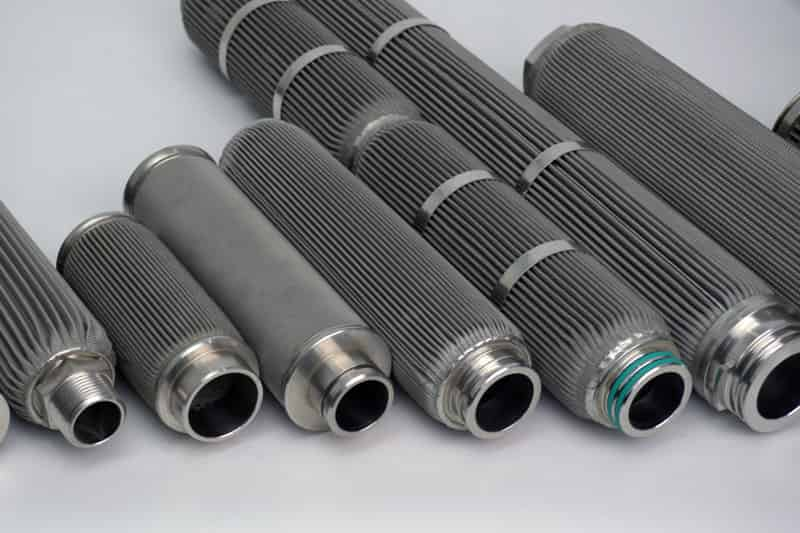
The provided text introduces wound cellulose depth filter elements as a cost-effective method for achieving high-efficiency filtration in low-viscosity oils, including hydraulic, turbine, and transformer oils. These elements leverage the properties of wound cellulose to not only screen but actively clean the oil by dislodging contaminants and achieving particle removal below 1 micron. This document serves as a foundational understanding for further research into this specific type of chemical cellulose depth filter cartridge.
Understanding the Technology: Wound cellulose depth filter elements operate based on the principle of depth filtration. Unlike surface filters that capture particles on their surface, depth filters utilize a thick, porous media to trap contaminants throughout the entire filter structure. The winding process of the cellulose fibers creates a tortuous path with varying pore sizes, allowing for the progressive capture of particles as the fluid flows through the element. Larger particles are trapped in the outer layers, while finer particles are captured in the inner, denser layers.
Key Advantages Highlighted: The text emphasizes several key benefits of using wound cellulose depth filter elements:
Enhanced Oil Cleaning: The dislodging of contaminants suggests a mechanism beyond simple mechanical sieving. The cellulose fibers might possess a surface structure or charge that facilitates the detachment and subsequent entrapment of particulate matter.
Sub-Micron Particle Removal: Achieving particle removal below 1 micron underscores the high efficiency of this filtration method, crucial for maintaining the performance and longevity of sensitive machinery utilizing these oils.
Cost-Effectiveness: The description as an "inexpensive method" positions wound cellulose elements as an economically viable solution for maintaining oil cleanliness.
High Dirt Holding Capacity: The specification of holding up to 10 lbs of dirt per element indicates a long service life and reduced maintenance frequency.
Water Adsorption: The ability to adsorb up to 1 gallon of water per element is a significant advantage, as water contamination is a common issue in oil systems that can lead to corrosion, reduced lubricity, and accelerated wear.
Material Properties and Design Considerations: The specifications provide valuable insights into the material composition and design of these filter elements:
Media: The core material is wound cellulose, a chemical derivative of natural cellulose. Further research could explore the specific type of cellulose used, the winding techniques employed, and any chemical treatments applied to enhance its filtration properties, mechanical strength, or chemical compatibility.
Endcap Seals: The use of 33% glass-filled Nylon 6/6 for endcap seals ensures a robust and chemically resistant seal, preventing unfiltered oil from bypassing the media. The "positive, deep penetrating seal" is crucial for maintaining filtration efficiency under pressure.
Gaskets and O-Rings: The standard use of Buna-N and the option for Viton® highlight considerations for chemical compatibility with various oil types and operating temperatures.
Size Designation: The note explaining that the size refers to the cubic inches of filter media is important for understanding the filter's capacity and expected lifespan. The provided part numbers correlate different sizes with specific ISO viscosity grades, suggesting an optimization of filter media density or winding tightness for different fluid viscosities.
Potential Areas for Further Research: Based on the provided information, several avenues for further research into wound cellulose depth filter elements emerge:
Detailed Material Characterization: Investigating the specific type of cellulose fiber used, its chemical modifications (if any), surface area, and porosity would provide a deeper understanding of its filtration mechanisms and efficiency.
Filtration Mechanism Analysis: Exploring the dominant mechanisms of particle capture (e.g., mechanical entrapment, adsorption, electrostatic attraction) within the cellulose matrix for different particle sizes and contaminant types.
Impact of Winding Parameters: Studying how the winding angle, tension, and layer density affect the pore size distribution, flow characteristics, and filtration efficiency of the element.
Performance Evaluation with Different Contaminants: Assessing the filter's efficiency and capacity for removing various types of contaminants commonly found in hydraulic, turbine, and transformer oils (e.g., wear metals, silica, organic debris).
Long-Term Performance and Degradation: Investigating the filter element's performance over time, its resistance to chemical degradation by the oil, and the impact of accumulated contaminants on its efficiency and pressure drop.
Comparison with Alternative Filtration Technologies: Benchmarking the performance and cost-effectiveness of wound cellulose filters against other depth filtration technologies and surface filters for similar applications.
Optimization for Specific Oil Viscosities: Further exploring the rationale behind the different part numbers recommended for specific ISO viscosity grades and investigating potential optimizations for enhanced performance within these ranges.
Environmental Considerations: Evaluating the sustainability of cellulose as a filter media and exploring potential for recycling or more environmentally friendly disposal methods.