-
- SINFT
- 2025-03-12 23:03:24
Industrial oil contamination is one of the main challenges in equipment maintenance, directly impacting operational efficiency, system longevity, and production costs. SINFT, a specialist in filtration solutions and contamination control, presents a comprehensive guide with six essential steps to ensure oil purity and maximize equipment performance.
1. Strategic Oil Collection
The oil analysis begins with the proper collection of a sample directly from operating equipment. This procedure ensures that the sample accurately represents the actual condition of the oil, allowing for a precise evaluation of the system's state.
2. Submission for Laboratory Analysis
The collected sample is sent to a specialized laboratory for detailed examinations. These tests identify the presence of solid, liquid, and gaseous contamination, as well as signs of premature component wear, enabling an accurate diagnosis.
3. Interpretation and Planning of Preventive Actions
Based on the laboratory results, a preventive maintenance strategy is formulated. This planning anticipates potential failures, reducing the risk of unplanned downtime and increasing operational reliability.
4. Advanced Filtration and System Maintenance
The next step involves implementing necessary corrective actions, including:
-
Filtration and microfiltration: Removing impurities to restore oil quality;
-
Replacement or repair of components: Maintaining worn-out parts to prevent future damage;
-
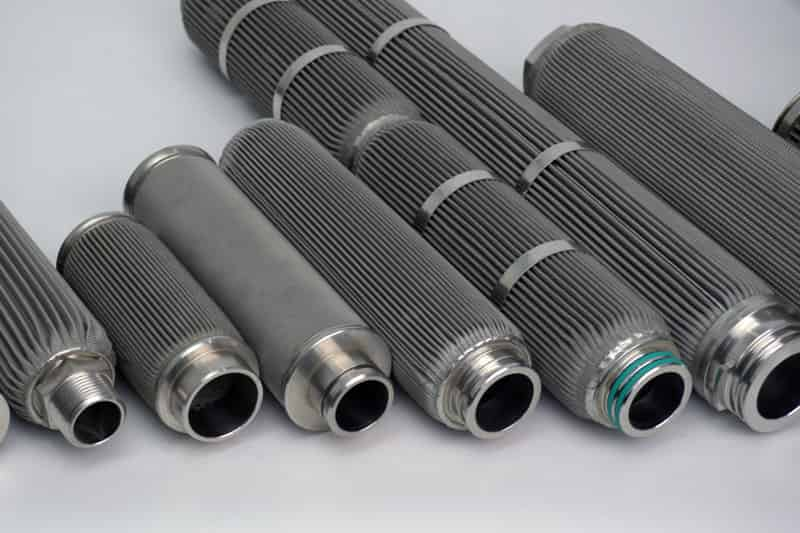
Implementation of enhanced filtration systems: Utilizing advanced technology to prevent recurring contamination.
5. New Collection and Continuous Monitoring
After maintenance, a new sample is collected and tested to assess the effectiveness of the implemented interventions. This process ensures that the established purity standards are being met.
6. Final Analysis and Quality Validation
The final step involves post-maintenance analysis, allowing for verification of the oil and equipment performance. This stage provides essential data for continuous process optimization and the prevention of new contamination occurrences.
Results and Benefits of Contamination Control Implementation
By following this systematic contamination control protocol, industries can achieve significant benefits, such as:
-
Reduction of operational costs: Preventing failures, minimizing expenses on component replacement and corrective maintenance;
-
Extended equipment lifespan: Better system preservation, reducing the need for premature replacements;
-
Productivity optimization: Equipment operating within ideal standards, ensuring continuous efficiency and performance;
-
Sustainability and environmental responsibility: Reducing oil waste and minimizing environmental impact;
-
Quality assurance and compliance: Essential for industries requiring strict standards, such as Small Hydropower Plants (PCHs), agribusiness, and sugar-alcohol plants.
Regular implementation of these processes ensures not only safety and operational reliability but also a strategic advantage for companies seeking greater efficiency and market competitiveness. SINFT continues to provide innovative solutions for effective contamination control, delivering enhanced safety, cost savings, and sustainability for your operation.
-
-
-
-
-
-
- Click for More