-
- SINFT
- 2025-03-10 17:21:03
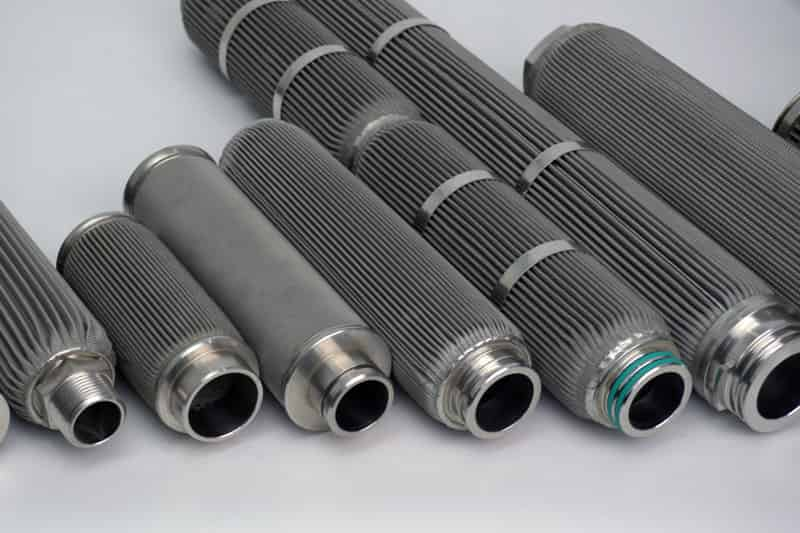
Stainless steel, an alloy containing rare metal elements (such as chromium, nickel, and molybdenum), holds a significant position in filtration technology due to its excellent corrosion resistance, high strength, heat resistance, and recyclability. Meanwhile, rare metal filtration materials (such as titanium, tungsten, molybdenum, and their alloys) further expand the boundaries of filtration technology with their unique physicochemical properties. These materials play critical roles in fields such as new materials, new energy (including clean energy), energy storage equipment, advanced manufacturing, and electronic information, achieving efficient filtration and separation while driving technological innovation and industrial upgrades.
1. New Materials Field
In the research and production of new materials, stainless steel and rare metal filtration materials are widely used for the filtration and separation of high-purity substances. For instance, stainless steel filter elements are employed in rare earth element extraction to remove impurities, ensuring the high purity of rare earth oxides, which is essential for preparing high-performance permanent magnets and optical materials. Titanium filtration materials, with their superior corrosion resistance and biocompatibility, are commonly used to filter highly corrosive solutions, such as removing non-metallic inclusions during titanium alloy production. Additionally, molybdenum-based filtration materials excel in processing high-temperature molten materials. Research directions include optimizing pore structures through micro- and nano-fabrication and enhancing filtration selectivity with rare metal surface coatings.
2. New Energy (Including Clean Energy) Field
In the new energy sector, stainless steel and rare metal filtration materials serve distinct yet complementary roles in clean energy technologies. Stainless steel filter elements are used in the photovoltaic industry to filter high-purity etching and cleaning solutions, ensuring silicon wafer surface cleanliness and improving solar cell efficiency. In hydrogen energy, stainless steel filter elements are applied in water electrolysis equipment to filter impurities from electrolytes, safeguarding operational stability. Rare metal tungsten or molybdenum filtration materials, with their high-temperature resistance and oxidation resistance, are suitable for gas filtration in high-temperature fuel cells. Research hotspots include developing composite filtration materials for extreme environments and improving long-term stability under acidic or alkaline conditions.
3. Energy Storage Equipment Field
The rapid development of energy storage technologies (e.g., lithium batteries and flow batteries) places high demands on filtration materials. Stainless steel filter elements are used in lithium battery production to filter electrolytes and slurries, removing particulate impurities to ensure battery performance and safety. Titanium filtration materials, due to their corrosion resistance, are employed to filter strongly acidic electrolytes, such as in flow batteries, to maintain system stability. Molybdenum-based filtration materials are utilized in high-temperature energy storage systems for filtering molten salt media. Research focuses on achieving nanoscale filtration precision and developing chemically resistant composite materials to meet next-generation energy storage needs.
4. Advanced Manufacturing Field
In advanced manufacturing (e.g., aerospace and 3D printing), stainless steel and rare metal filtration materials are highly valued for their performance. Stainless steel filter elements are used in aerospace to filter lubricants and coolants during high-temperature alloy processing, ensuring process cleanliness. Titanium filtration materials are applied in 3D printing to recover metal powders, maintaining powder quality and printed component performance. Tungsten-based filtration materials excel in extreme high-temperature environments, such as gas purification in laser melting processes. Research efforts concentrate on developing multi-stage filtration systems and self-cleaning technologies to enhance manufacturing efficiency and sustainability.
5. Electronic Information Field
The electronic information industry demands stringent control over micro-contamination, making stainless steel and rare metal filtration materials indispensable. Stainless steel filter elements are used in semiconductor manufacturing to filter ultrapure water and chemical reagents, removing submicron particles to ensure wafer cleanliness. Molybdenum or tungsten filtration materials, with their high stability and conductivity, are suitable for slurry filtration in flexible electronics and display manufacturing. Research directions include developing ultra-high-precision filtration materials and enhancing anti-fouling properties and durability through functionalized rare metal coatings.
Advantages and Research Trends of Stainless Steel and Rare Metal Filtration Materials
Stainless steel filtration materials offer advantages such as high strength, corrosion resistance, and recyclability, while rare metal filtration materials complement these with specialized properties (e.g., resistance to extreme environments and oxidation). Combining the two can create composite materials that further enhance filtration performance. Current research trends include:
- Structural Optimization: Using laser processing or chemical etching to precisely control pore size distribution, improving efficiency and throughput.
- Composite Technology: Integrating stainless steel with rare metals (e.g., titanium, molybdenum) to develop filtration materials with both strength and specialized properties.
- Smart Development: Incorporating sensors and adaptive technologies to create filtration systems capable of real-time monitoring and self-cleaning.
- Green Manufacturing: Exploring recycling and reuse processes to reduce rare metal consumption and promote sustainable production.
Conclusion
As core components of modern filtration technology, stainless steel and rare metal filtration materials demonstrate immense potential in new materials, new energy, energy storage equipment, advanced manufacturing, and electronic information fields. Stainless steel provides a foundation with its versatility and cost-effectiveness, while rare metals expand application boundaries with their unique properties. Together, they drive the development of high-tech industries. In the future, advancements in materials science and the integration of smart manufacturing will bring new breakthroughs in performance enhancement and resource efficiency for these filtration materials.
-
-
-
-
-
-
- Click for More