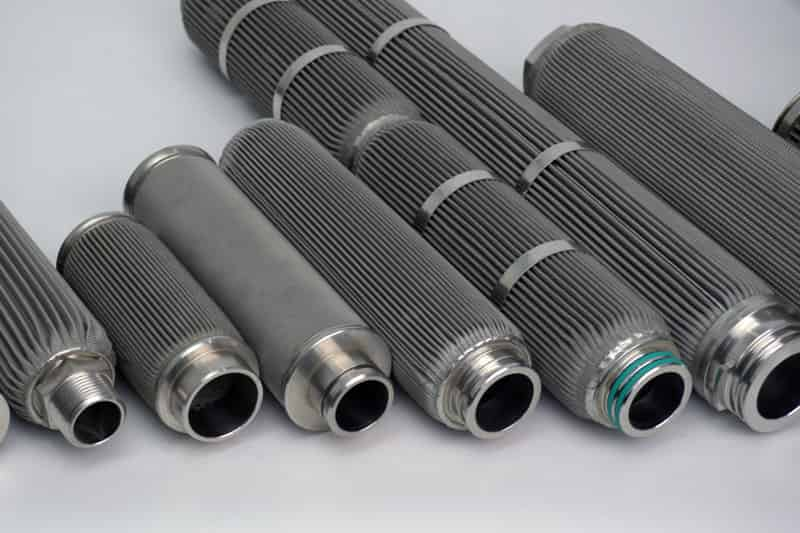
The Racor 1000FH Turbine filter plays a crucial role in ensuring the cleanliness of the fuel system and the stable operation of the engine. As the filter element accumulates impurities over time, its filtration efficiency decreases. Therefore, timely replacement of the filter element is essential to maintain its performance. This article provides a detailed guide on how to replace the alternative filter element for the Racor 1000FH Turbine filter, along with relevant precautions.
I. Determine the Appropriate Alternative Filter Element
Before replacing the filter element, it is necessary to ensure that the selected alternative filter element is fully compatible with the Racor 1000FH Turbine filter. You can refer to the vehicle or equipment operation manual, or consult a professional auto parts supplier. For example, some common alternative filter element models include the Baldwin PF7890 series, such as the PF 7890 - 10 and PF 7890 - 30 heavy - duty diesel fuel filter elements. However, when selecting, carefully check the specifications and dimensions to suit your specific application scenario. II. Preparation Work
Tool Preparation: Prepare a suitable wrench for loosening and tightening relevant components. Also, prepare some clean rags to wipe off spilled fuel and stains during the operation.
Safety Protection: The work of replacing the filter element involves fuel, so safety is of utmost importance. Make sure the engine has stopped running before operation, and there are no open flames or potential ignition sources around. It is recommended to wear protective gloves and goggles to prevent fuel from coming into contact with the skin and eyes.
Work Area: Select a flat, dry, and well - ventilated place for the operation. If working in a garage, open the garage door to ensure air circulation.
III. Replacement Steps
Drain Impurities and Water: Locate the water collection cup of the filter, loosen the drain bolt at the bottom of the water collection cup, and drain all the accumulated impurities and water. Due to the pressure difference in the fuel system, fuel or impurities may spray out when the bolt is first loosened, so be extremely careful during operation. After draining, tighten the drain bolt. There is no need to over - drain the fuel.
Remove the Filter Top Cover: Use a wrench to loosen the T - handle, and then carefully remove the filter top cover. When removing the top cover, be careful not to damage the sealing components between the top cover and the filter body.
Remove the Old Filter Element: Inside the filter, you can see the old filter element. There is usually a handle at the top of the filter element. Pull the handle, and slowly remove the old filter element while rotating it. Since the filter element may have adsorbed a lot of impurities, move steadily when removing it to prevent the impurities from spilling.
Install the New Filter Element: Take out the new alternative filter element and check whether there are any damages or defects on its appearance. After confirming that it is correct, slowly insert the new filter element into the filter, ensuring that the filter element is installed in place and closely fits the interface inside the filter.
Replace the Sealing Components: The O - ring seals of the T - handle and the filter top cover should be replaced together each time the filter element is replaced to ensure good sealing performance. Before installing the new O - ring seals, lubricate them with clean fuel or engine oil, which facilitates installation and enhances the sealing effect.
Fill with Fuel and Install the Top Cover: Refer to the fuel filling steps and use a clean container to fill the filter with clean fuel. After the fuel filling is completed, reinstall the filter top cover in place and tighten the T - handle by hand. Note that do not use tools to over - tighten it to avoid damaging the components.
Inspection and Testing: After replacing the filter element, carefully check all the connection parts of the filter to ensure that all components are installed firmly and there are no signs of looseness or fuel leakage. Start the engine, observe whether there is any fuel leakage around the filter, and at the same time, pay attention to the running status of the engine to ensure everything is normal.
IV. Precautions
Filter Element Replacement Cycle: The replacement cycle of the filter element is not fixed and mainly depends on the degree of fuel contamination. Generally, the filter element needs to be replaced every 500 working hours or every 10,000 kilometers of driving. In addition, when the differential pressure gauge (if installed) shows that the differential pressure exceeds 6 - 10inHg, or during oil changes, when the engine power decreases, and when using the engine for the first time after a long - term shutdown, the filter element should also be replaced in a timely manner.
Original and Alternative Filter Elements: Although alternative filter elements can be used, to ensure the best filtration effect and engine protection performance, it is recommended to give priority to the original Racor Aqualoce II filter elements. If using alternative filter elements, be sure to strictly confirm their quality and compatibility.
Environmental Protection Treatment: The replaced old filter elements, as well as the drained impurities and water, should be properly disposed of in accordance with local environmental protection regulations. Do not discard them casually to avoid polluting the environment.