In modern industrial applications, the efficient operation and reliability of equipment are crucial. As the core of hydraulic and lubrication systems, these systems must remain clean and stable to ensure the long-term normal operation of equipment. However, prolonged operation leads to the accumulation of contaminants and impurities in the fuel and lubricating oil, affecting the performance and lifespan of equipment. Therefore, selecting the right cross-reference filter is essential.
Why Choose Cross-Reference Filters? Cross-reference filters can not only replace original filters but also offer better performance and cost-effectiveness. The main reasons for choosing cross-reference CJC reburn oil filters include:
Cost-Effectiveness: Cross-reference filters are generally more cost-competitive while maintaining the same filtration efficiency.
Compatibility: They can match various equipment models without requiring additional modifications.
Quality Assurance: High-quality cross-reference filters use advanced filtration materials and manufacturing processes, ensuring long-term stable performance in harsh conditions.
How to Precisely Choose Cross-Reference CJC Reburn Oil Filters? When selecting cross-reference CJC reburn oil filters, several key factors should be considered:
1. Compliance with Certification Requirements Ensure that the chosen filter meets the following key certifications to comply with stringent market and industry standards:
CE Certification: Complies with the EU’s safety, health, and environmental requirements, which is essential for entering the European market.
ISO 9001:2015 Quality Management System Certification: Ensures consistency and high quality in the design, production, and service processes.
2. Manufacturer’s Testing Capabilities Choosing a manufacturer with robust testing capabilities is crucial, as it directly impacts the filter's quality and the safety of the equipment. A qualified filter manufacturer should have the following testing capabilities:
Filtration Efficiency Testing: Ensures the filter performs stably under high pressure and high flow conditions.
Pressure Drop Testing: Validates the filter's performance in different operating conditions to prevent premature clogging.
Pressure and Fatigue Testing: Ensures the filter can withstand high-pressure impacts and long-term use without failure.
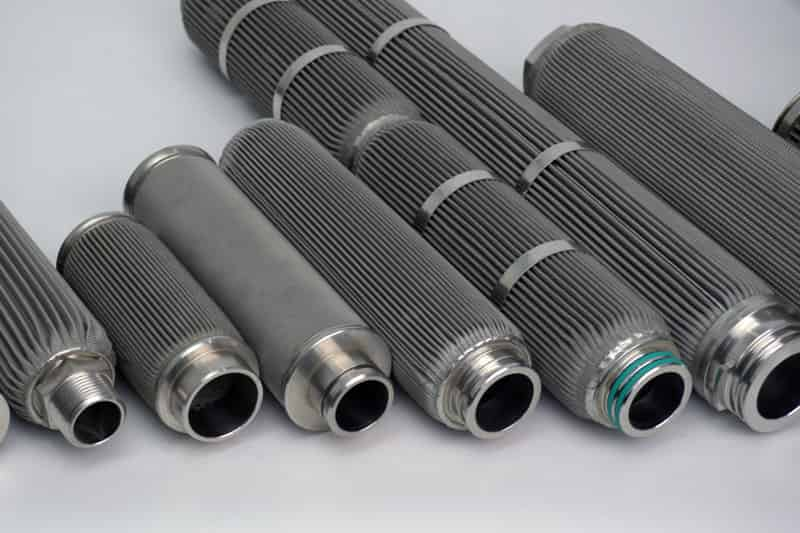
3. Material Selection and Manufacturing Process The filtration performance of a filter largely depends on its materials and manufacturing process. It is recommended to choose filters with high-strength stainless steel skeletons and multi-layer composite filtration media to ensure corrosion resistance and mechanical strength, while providing efficient particle and moisture filtration.
4. Customer Cases and Market Feedback Choose filters that have been validated in the market. You can refer to long-term customer feedback to ensure the filter's reliability and performance in real-world applications.
Conclusion Choosing cross-reference CJC reburn oil filters is not just about reducing costs but also about ensuring the long-term stable operation of equipment. Therefore, selecting a filter manufacturer with certification qualifications, comprehensive testing capabilities, and a solid reputation is key to ensuring the efficient and safe operation of equipment.
Anping Anhesheng, as a professional filter manufacturer, is certified with CE and ISO 9001:2015 and has a fully equipped testing laboratory, providing high-quality cross-reference filters and reliable filtration solutions to global customers.