-
- SINFT
- 2024-05-01 21:17:44
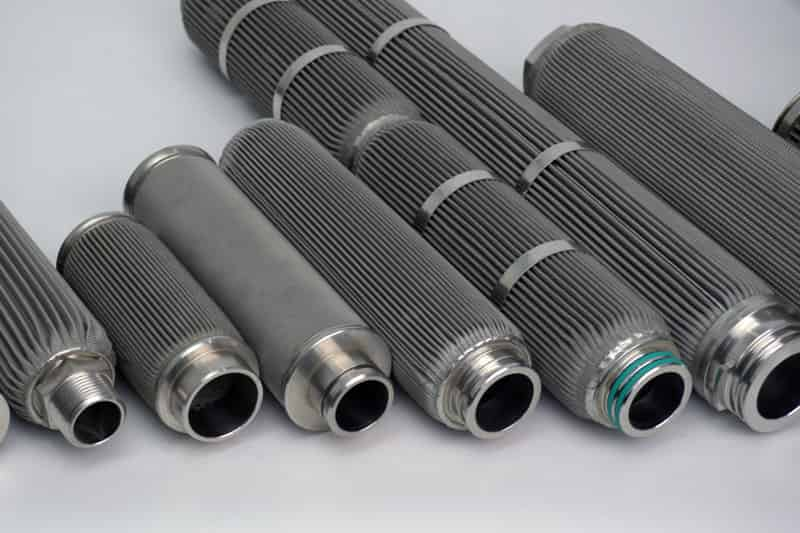
The return line hydraulic filter is a filtration device installed in the return line of a hydraulic circuit. Its primary function is to capture and remove impurities from the hydraulic fluid before it returns to the tank. Although it may seem simple, the return line filter has a significant impact on the overall performance and lifespan of the hydraulic system.
Extending Component Life
Imagine the hydraulic system as a finely tuned orchestra, where every component must operate harmoniously. Impurities such as dirt, debris, and particles act as discordant notes that can disrupt this harmony. Without a return line filter, these impurities can circulate freely within the hydraulic fluid, leading to premature wear and tear of critical components like pumps, valves, and actuators.
By removing impurities, the return line filter extends the lifespan of these expensive components, saving time and money in the long run.
Ensuring Smooth Operation
Smooth and reliable operation is the hallmark of an efficient hydraulic system. Impurities in the fluid can lead to reduced performance and even system failure. The return line filter helps maintain the cleanliness of the fluid, ensuring that hydraulic components operate optimally. This results in enhanced productivity, reduced downtime, and improved overall system performance.
Preventing Costly Repairs
Hydraulic system repairs can be time-consuming and expensive. Failure due to impurities can result in extensive damage that requires system flushing, cleaning, and component replacement. The return line filter acts as a cost-effective insurance policy, preventing the need for expensive repairs and associated downtime.
Maintaining Fluid Quality
The quality of hydraulic fluid is crucial for system efficiency. Contaminated fluid can lead to increased heat generation, reduced lubrication, and decreased overall efficiency. The return line filter continuously removes impurities, helping maintain the fluid's integrity and ensuring optimal performance even in demanding applications.
Customizable Filtration
One of the main advantages of return line filters is their ability to be customized for different filtration needs. They come in various configurations, from basic spin-on filters to premium in-tank units with high-filtration-rating fiberglass elements. This allows hydraulic system operators to choose the filtration level that best suits their specific requirements, whether in heavy industry or precision applications.
-
-
-
-
-
-
- Click for More